


Long-time PC users are painfully cognizant of the problem of "software obsolescence" when it comes to GPUs. You drop a paycheck's worth of money on the latest graphics with all the modern AI features that marketing sold you, and only a few years later, it's locked out of new features because of a software lock. It's a frustrating cycle of manufactured expiration dates that's designed to keep your wallets thin and e-waste bins brimming.
AMD's latest inclination towards open-sourcing FSR 4 might change all of that in more ways than one. First reported by Tom's Hardware following a Q&A session with AMD's SVP of GPU technologies and engineering software, Team Red may be looking to make its proprietary upscaling technology open-source for the community. Here's a look at why it should matter to you, your GPU, and your wallet.
It can extend the viability of your GPU
Doesn't matter if it's Radeon, Nvidia, or Arc


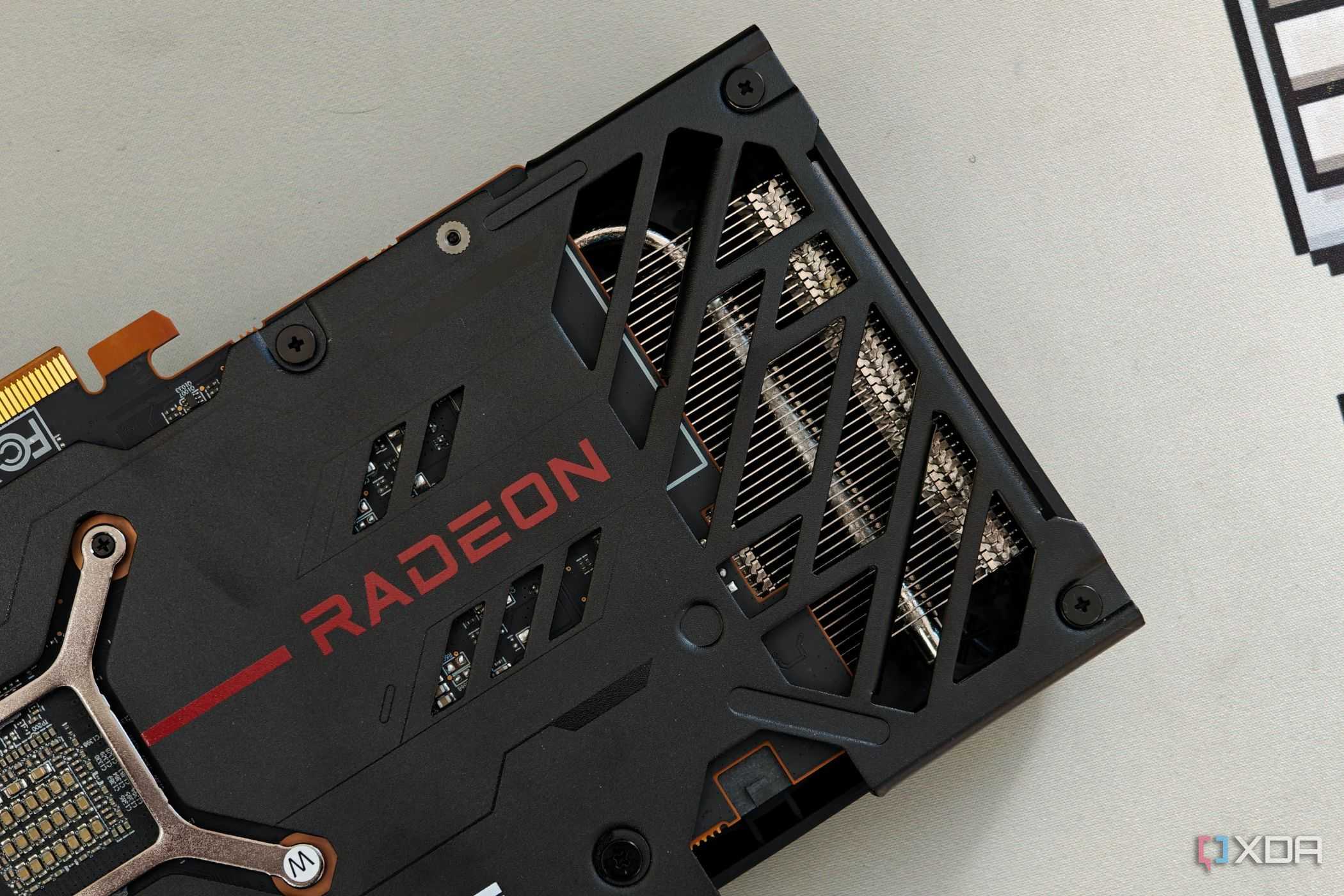
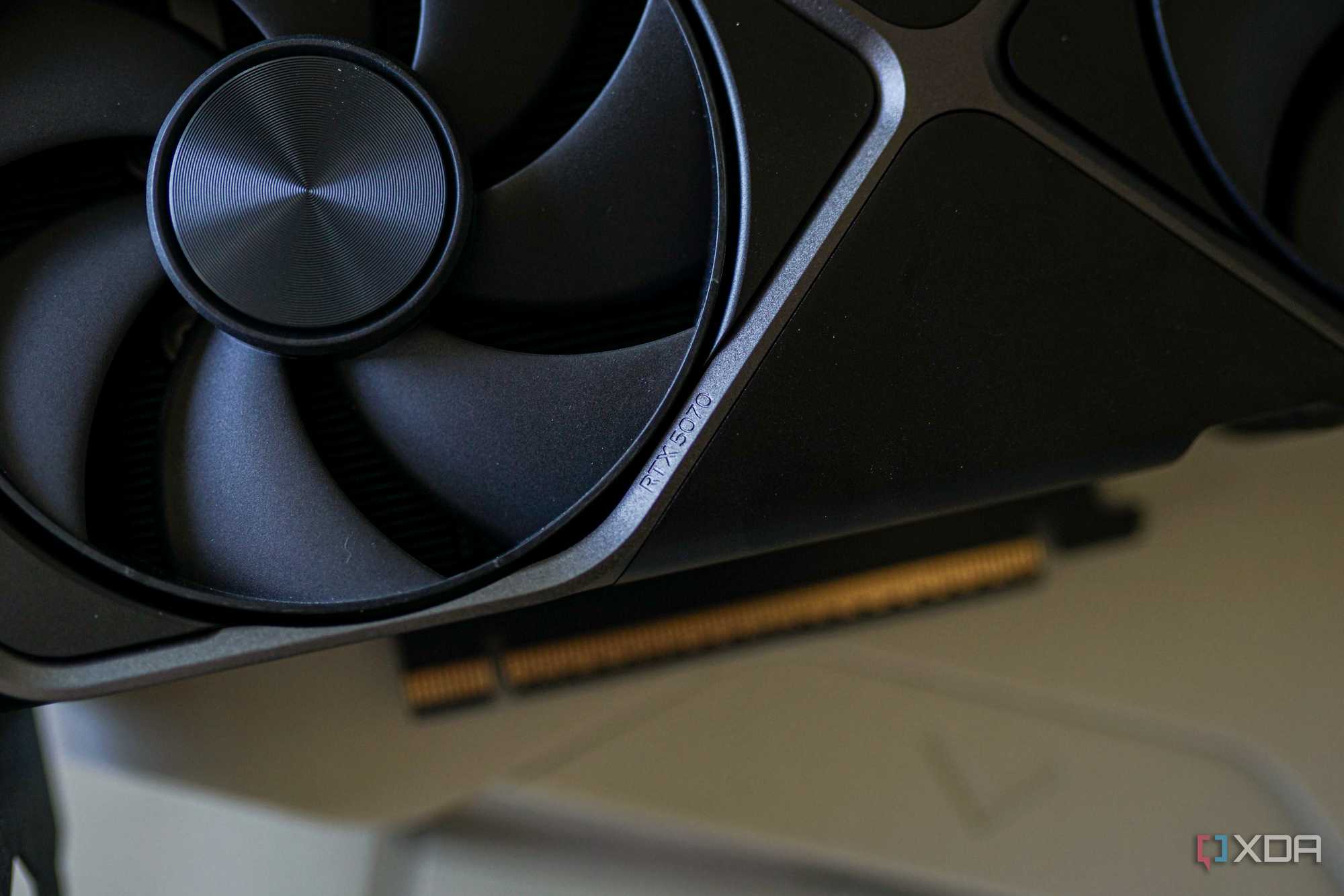

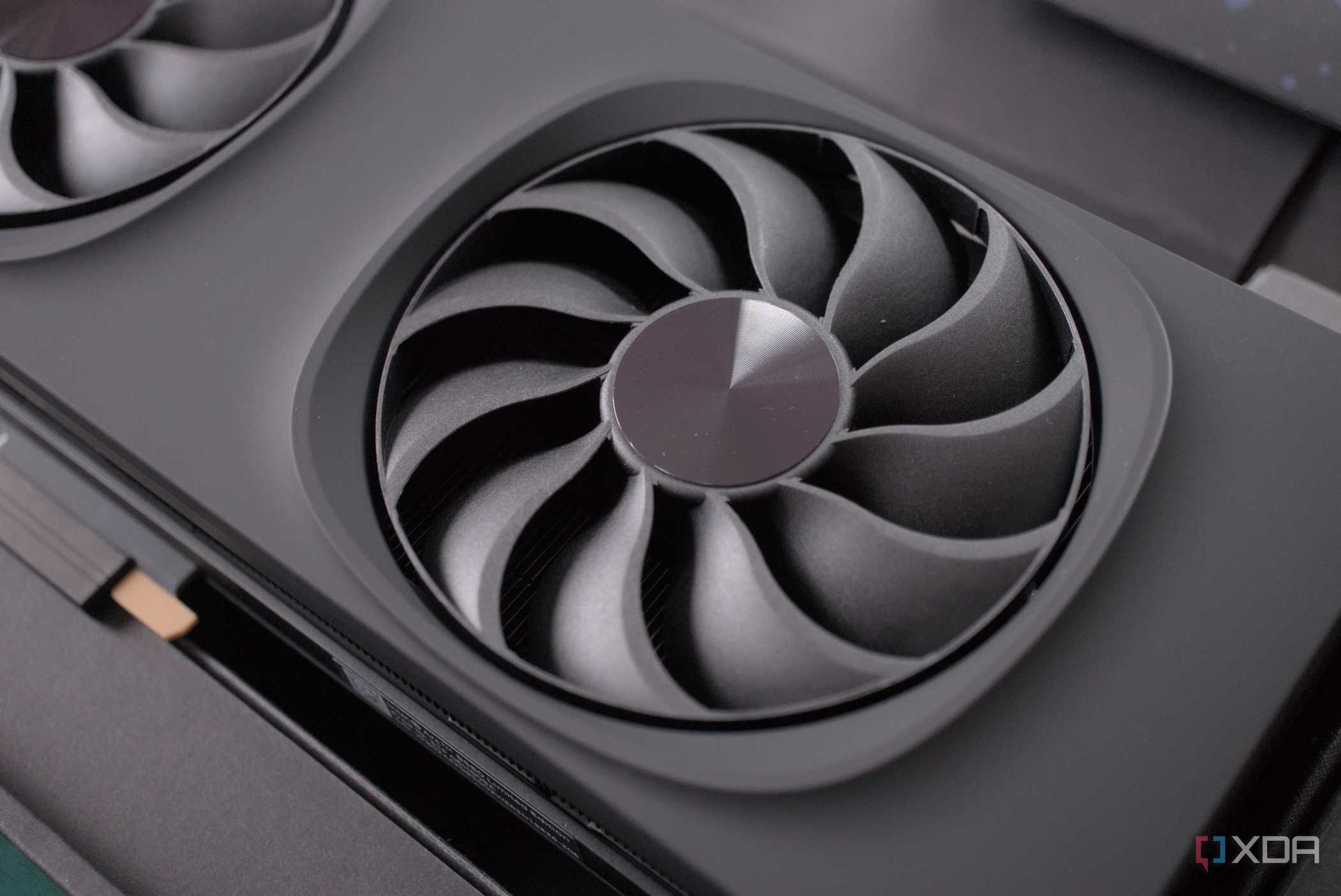
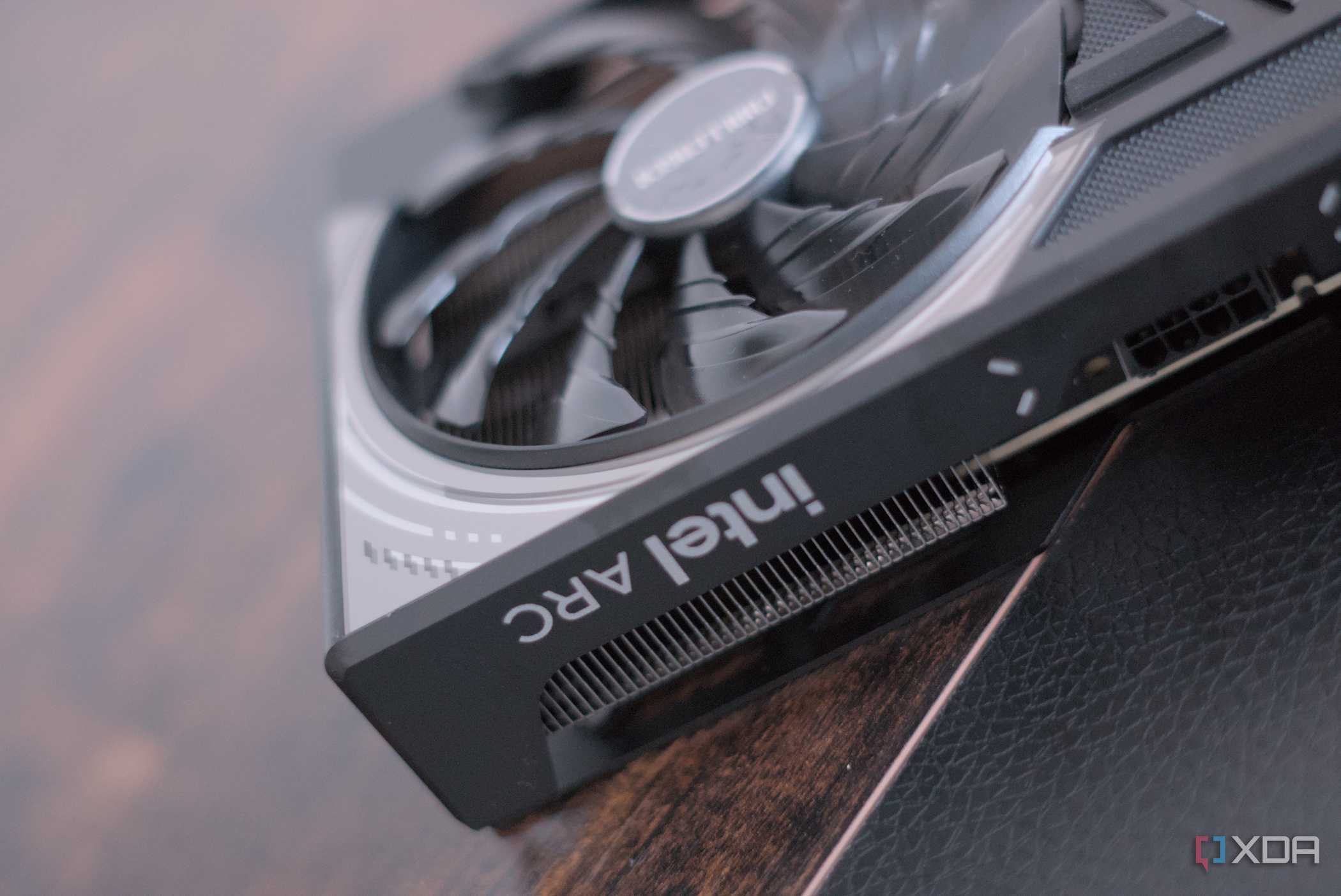
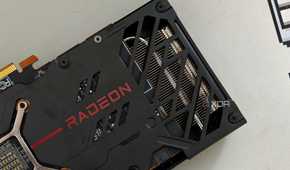




Based on what we've seen in the consumer GPU market so far, manufacturers rely heavily on new software or AI-driven features to drive hardware upgrades, and that is the case with FSR 4. The upscaling technology requires the FP8 (8-bit floating point) support found in RDNA 4 GPUs and NVIDIA's Ada Lovelace and Blackwell architectures. In the event that AMD open sources the code, they effectively allow community-developed methods to bridge this gap for "last-gen" hardware.
The wall is already showing cracks. According to a TechPowerUp report, a Reddit user managed to run FSR 4 Redstone Frame Generation on an older RDNA 3 architectureusing OptiScaler alongside an FP8 workaround previously known to work with FSR 4 Super Resolution.
If AMD decides to release the code, it would effectively be an invitation to the open-source community to refine, optimize and extend the functionality of their technology beyond its officially sanctioned hardware list, which would be a rare yet welcome move given the backdrop of increasing hardware prices that prohibitively stand between new technology and the consumer.
As of early 2026, official support for FSR 4 remains exclusive to GPUs based on the RDNA 4 architecture.
It would revitalize the secondary markets
The freer the market, the freer the people

Secondary markets often come as an afterthought on the subject of PC hardware, but their dynamic nature forms the backbone of the entry-level and mid-range component market. When important upscaling features are limited to flagship cards and software updates are targeted only towards the best in the segment, older cards tend to lose resale value. This is especially important when you consider the broader economics of the supply and demand of GPUs in secondary markets.
In 2025, refurbished goods accounted for 40% of total gross merchandise value on eBay, which remains a leading marketplace for the movement of consumer hardware. Couple this with the fact that many older cards pack powerful silicon and are capable of many gaming and creative use-cases, and the argument for further implementation of the upscaling feature makes infinitely more sense.
FSR 4 will primarily benefit gamers, and AMD's shift will benefit precisely this group. According to the Steam Hardware Survey, nearly half of users are running GPUs that are two generations old or more. By opening FSR 4, AMD and community-driven optimizations can empower users on older hardware whilst simultaneously contributing to the health of the secondary markets.
It will be a timely development
AMD has a golden opportunity to help the market amid turmoil

It would be a lie to say that the support gap for older hardware in 2026 hasn't widened, specifically for pre-Ada Lovelace and pre-RDNA 4 architectures. If you've been watching the GPU market for long, chances are that you're no stranger to market fluctuations driven by supply chain constraints, an ever-increasing demand from the AI and data science industries, and production cuts by large players in the industry.
Given the paradigm, open-sourcing and making one of the best upscaling technologies means giving access to a significant segment of the market that cannot benefit from it unless they paid top dollar for it. By the way of open-sourcing, AMD can give way to "middleware" solutions to leverage FSR 4, which can in turn be utilized through OptiScaler or Proton (on Linux devices) so that users can benefit from high-quality upscaling at the system-level. If Team Red decides to go through with this, it will also set a powerful precedent for competitors to prioritize long-term consumer value over iterative advancements.
The same strategic decisions and the underlying philosophy that kept AM4 alive for almost a decade would be reflected in this move as well, which is to let old silicon remain viable and usable.
AMD can breathe new life into old hardware
At their best, AMD is known to be a company that lets hardware age with dignity. A move to open-source FSR would certainly be seen as a charitable move, and importantly enough, it is not entirely uncharacteristic of AMD. The same strategic decisions and the underlying philosophy that kept AM4 alive for almost a decade would be reflected in this move as well, which is to let old silicon remain viable and usable. Team Red has proven through their act that they don't devalue silicon based on the passage of time, and in a market that's increasingly obsessed with churn, AMD has a chance to slow the wheel and let older hardware keep pace with the software demands of 2026, perhaps at one of the most crucial times in the history of PC hardware.
