


'Buyer's remorse' is a feeling that many PC builders and enthusiasts are all too familiar with, and it's no wonder that many gamers make upgrade decisions they later come to regret. With hundreds of components to pick from, dozens of new standards, and the entire internet shouting conflicting and contradictory advice on popular online forums, even experienced builders fall into patterns that waste money and marginally improve performance.
This is exactly why the coming year needs a reset on some tendencies that most, if not all of us, are at least partially guilty of. If there is ever a year when we collectively choose to retire from these five habits that empty wallets and over-complicate an otherwise exciting journey, I sincerely hope it is 2026.
Upgrading before optimizing
Blame your config, not your rig



Screenshots from the benchmarking utility, 3D Mark, indicating performance in a synthetic benchmarking test. 



Screenshots from the benchmarking utility, 3D Mark, indicating performance in a synthetic benchmarking test. 




One of the strangest habits in PC gaming, and the one that deserves the top mention, is how quickly people assume their rig is overdue for an upgrade to the extent that it has almost become second-nature to gamers. Sluggish frame rates, high temperatures, and long loading times can be a result of poorly tuned settings, outdated firmware, and builder mistakes that your hardware often ends up taking the blame for. The problem is, the impulsive buyer is always quicker to reach for their wallets than for performance monitoring applications.
A quick round of benchmarking can reveal issues that hold your rig back from achieving the maximum performance it's designed for, and quite often you can fix them for free. A gentle undervolt can cool and stabilize your CPU, and a light overclock on your GPU can unlock the performance it was already capable of. And if that wasn't enough, you can overclock and undervolt your hardware at the same time to achieve the best of both worlds.
One of the most alluring parts of owning a PC is the flexibility that it affords you in not just choosing what goes inside your case, but the freedom to tweak and tune your setup until it matches your rhythm. It is painful to see how rarely it is leveraged.
Chasing the "latest and greatest" every time
Marginal gains can drain your budget


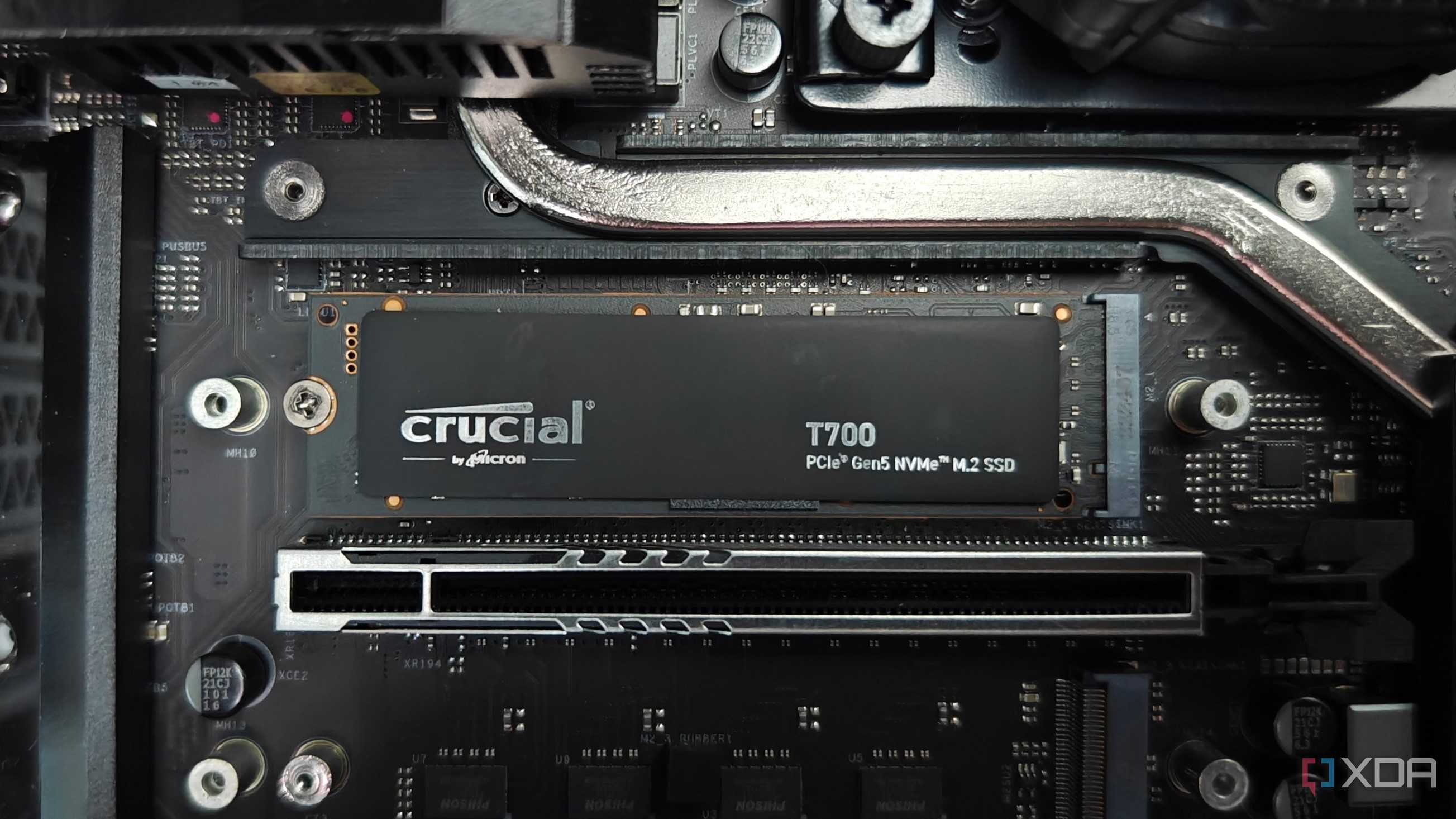
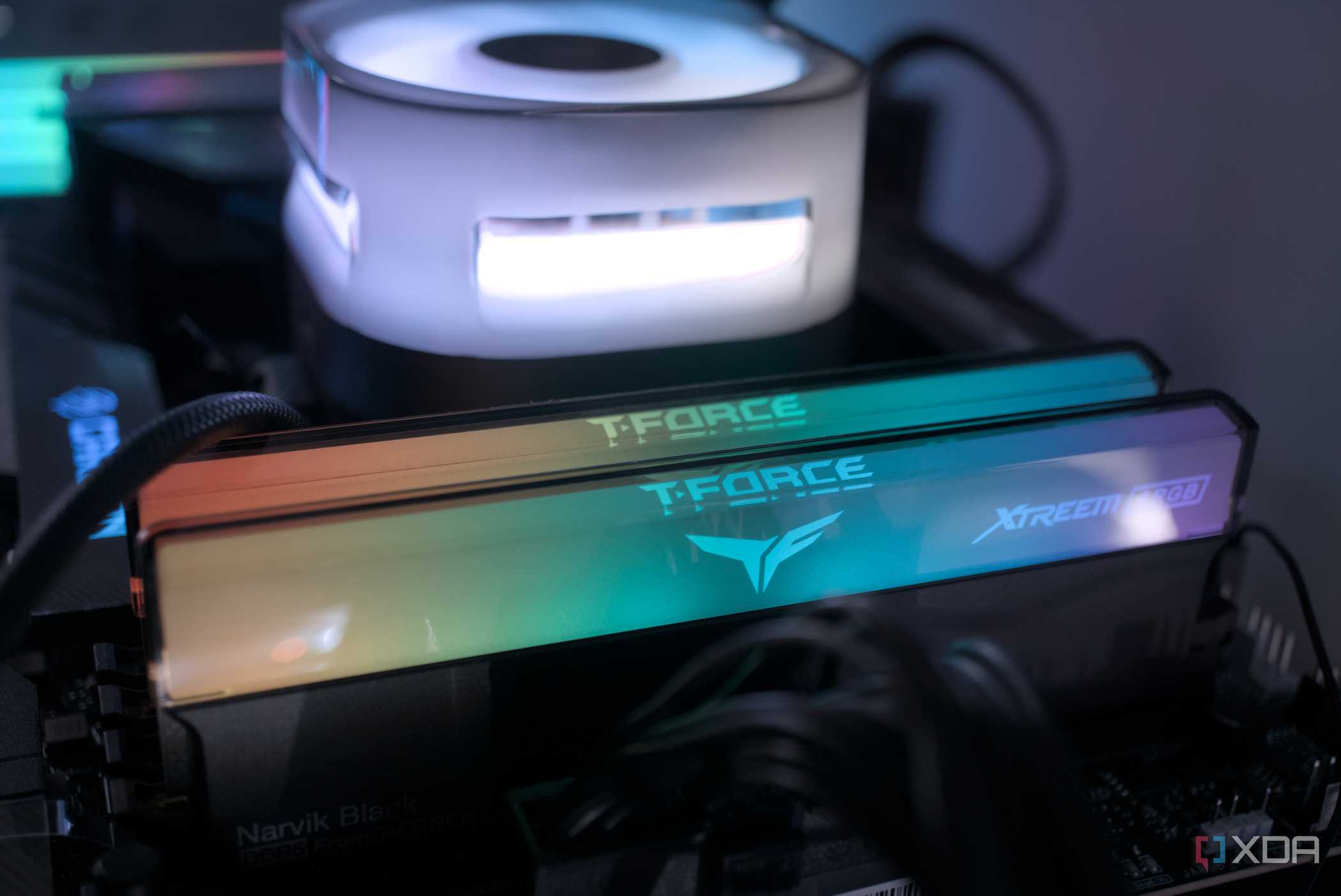

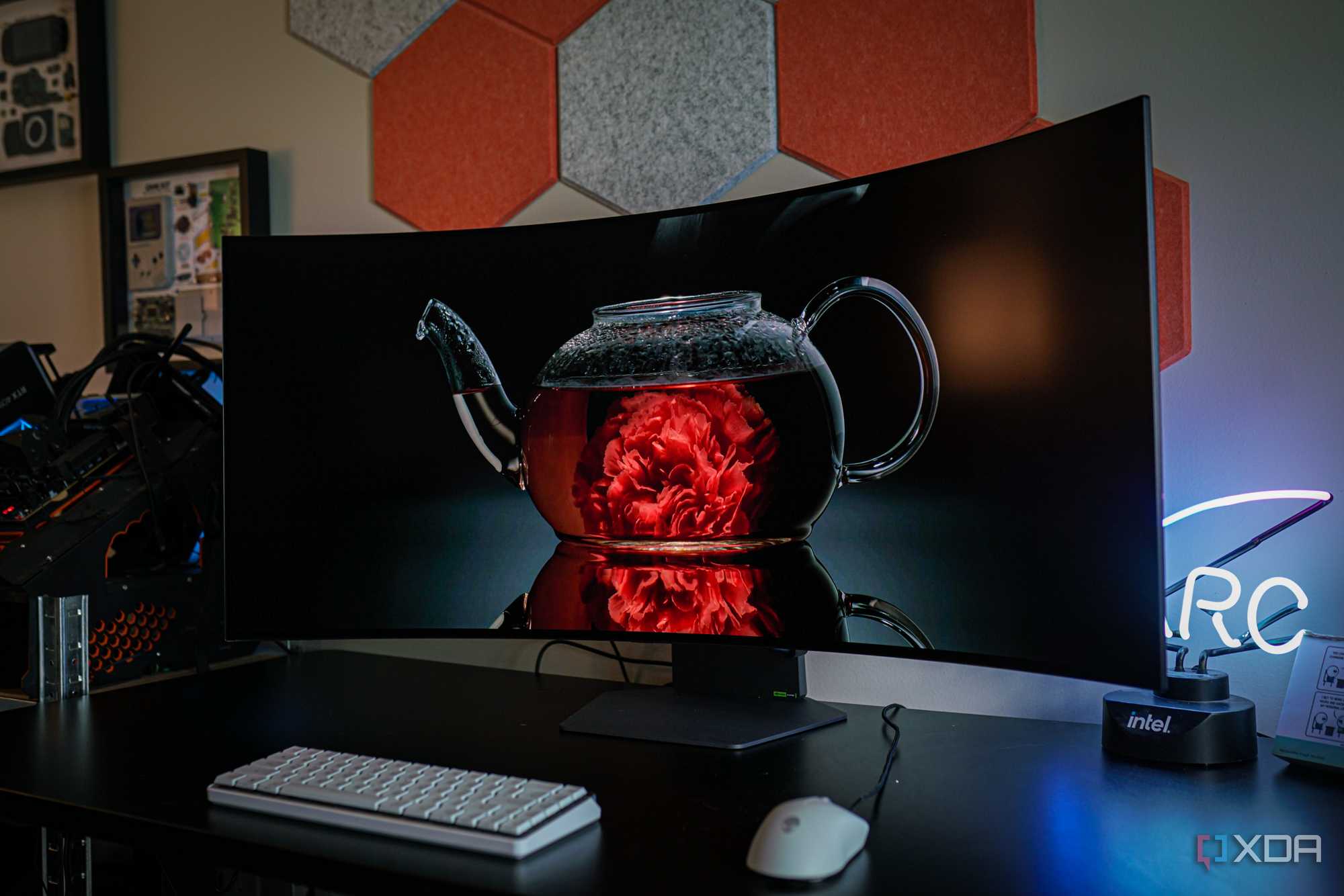
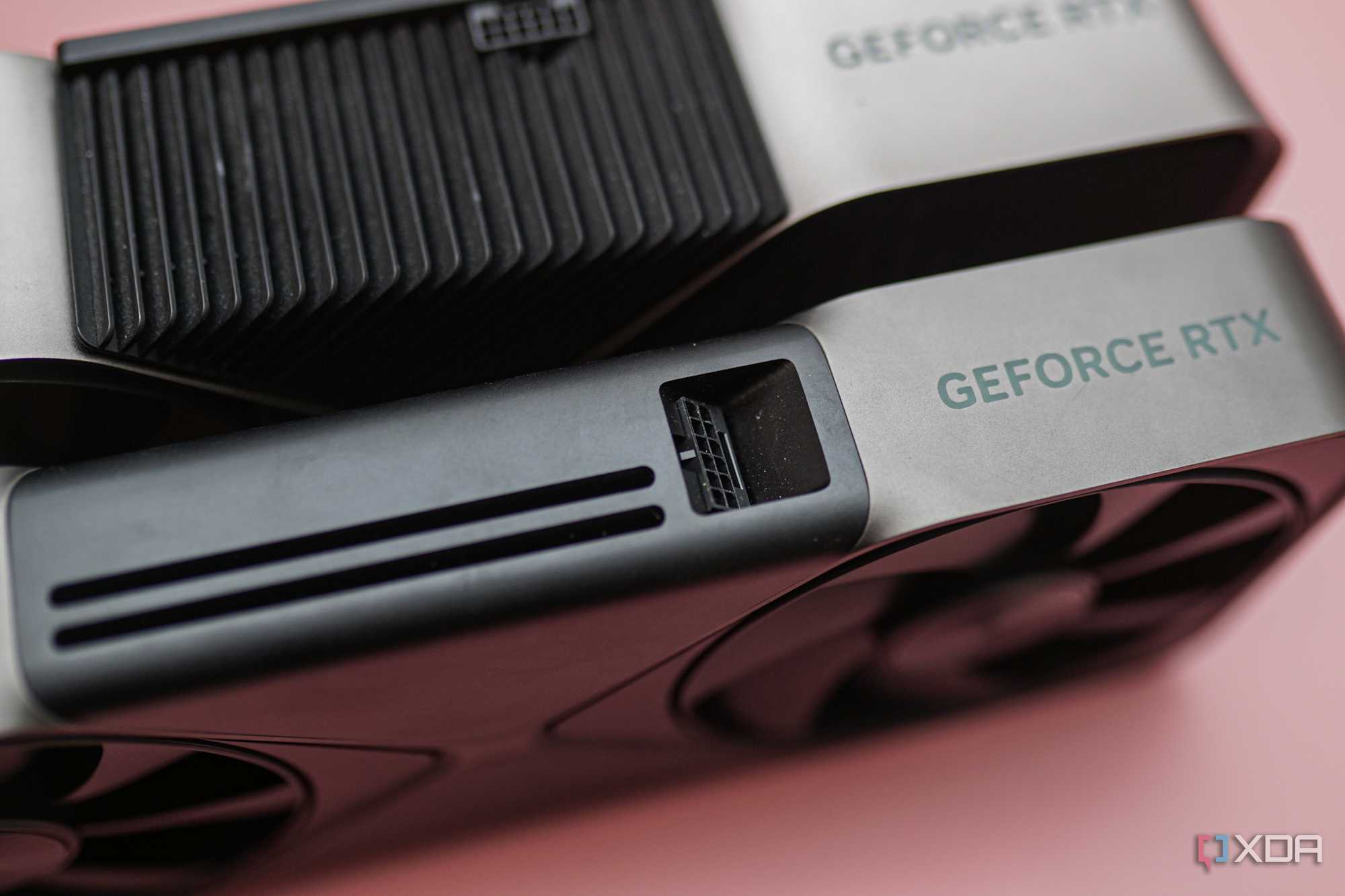


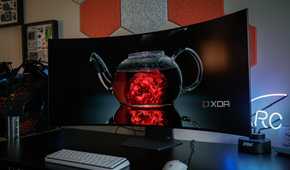

Upgrading for novelty in lieu of necessity is a tale as old as time in the realm of the self-proclaimed 'PC master race', and a glance at the social media activity of the up-and-coming building 'influencers' reveals a similar trend. Every quarter, when a new PCIe 5.0 SSD, an OLED monitor, or a flagship GPU enters the market, last year's perfectly capable hardware is treated like dead weight. As sectors like data science and artificial intelligence now compete for the same hardware that goes into your rig, supply becomes more constrained, which gives manufacturers free rein to charge exorbitant prices for... marginally improved products.
Recent market data highlights just how skewed the upgrade cycle has become, and you need to look no further than the latest PCIe 5.0 SSDs. Despite doubling bandwidth over PCIe 4.0, they deliver under 5% in gains when it comes to loading times, yet cost 40% more per terabyte at the time of writing.
Similarly, ultra-high-speed DDR5 RAM kits demand a premium between 50–100% over DDR5-6000 modules while offering a 3-5% improvement in frame rates, making them a catastrophically bad deal even without the markups relating to the DRAM shortage. As similar trends become undeniably obvious in other components, the coming year becomes a great time to take a moment to question whether the upgrade cycle is serving you, or if you're serving the (increasingly extortionate) cycle.
Neglecting everything besides the CPU or GPU
Ignoring the parts that hold the PC together


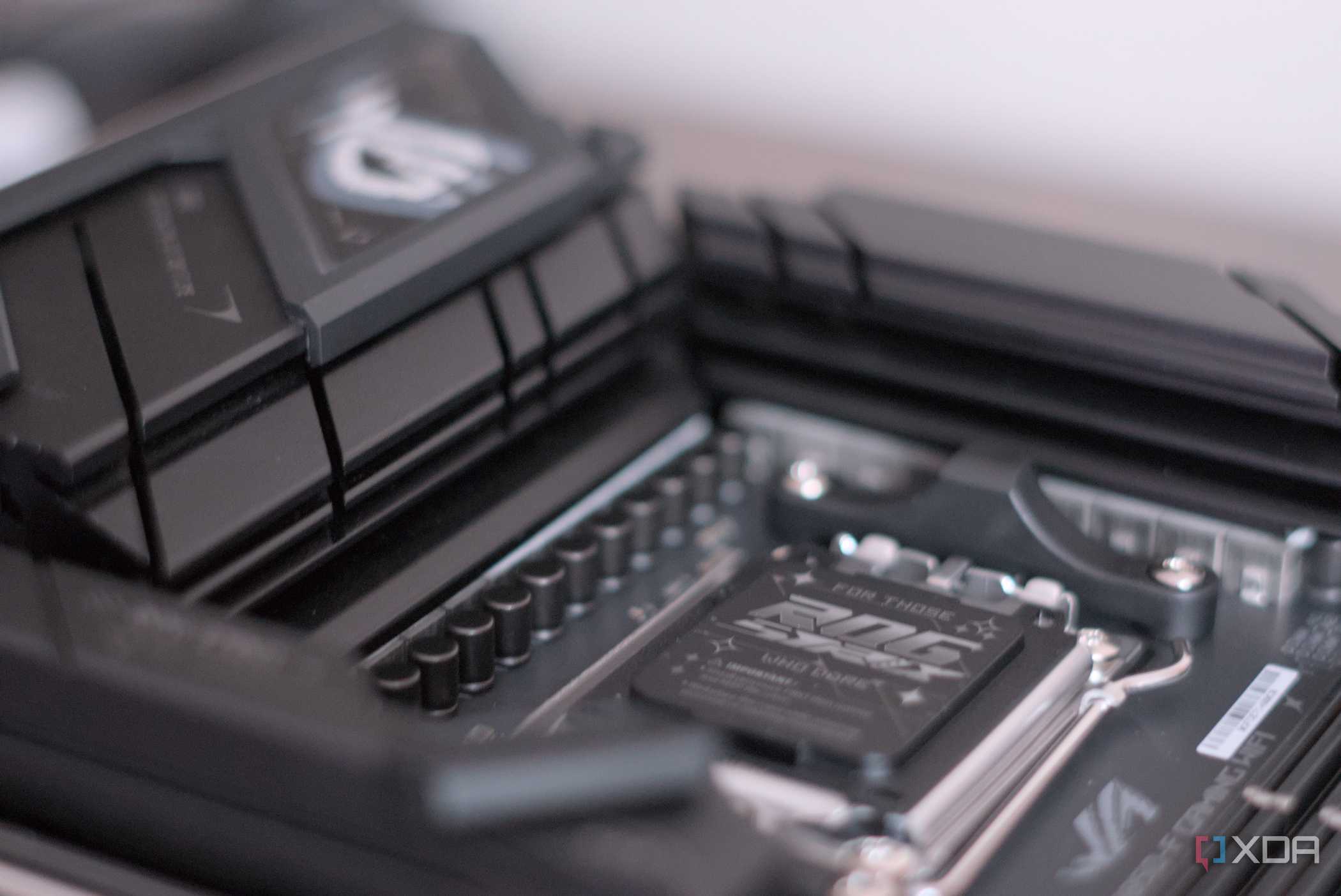

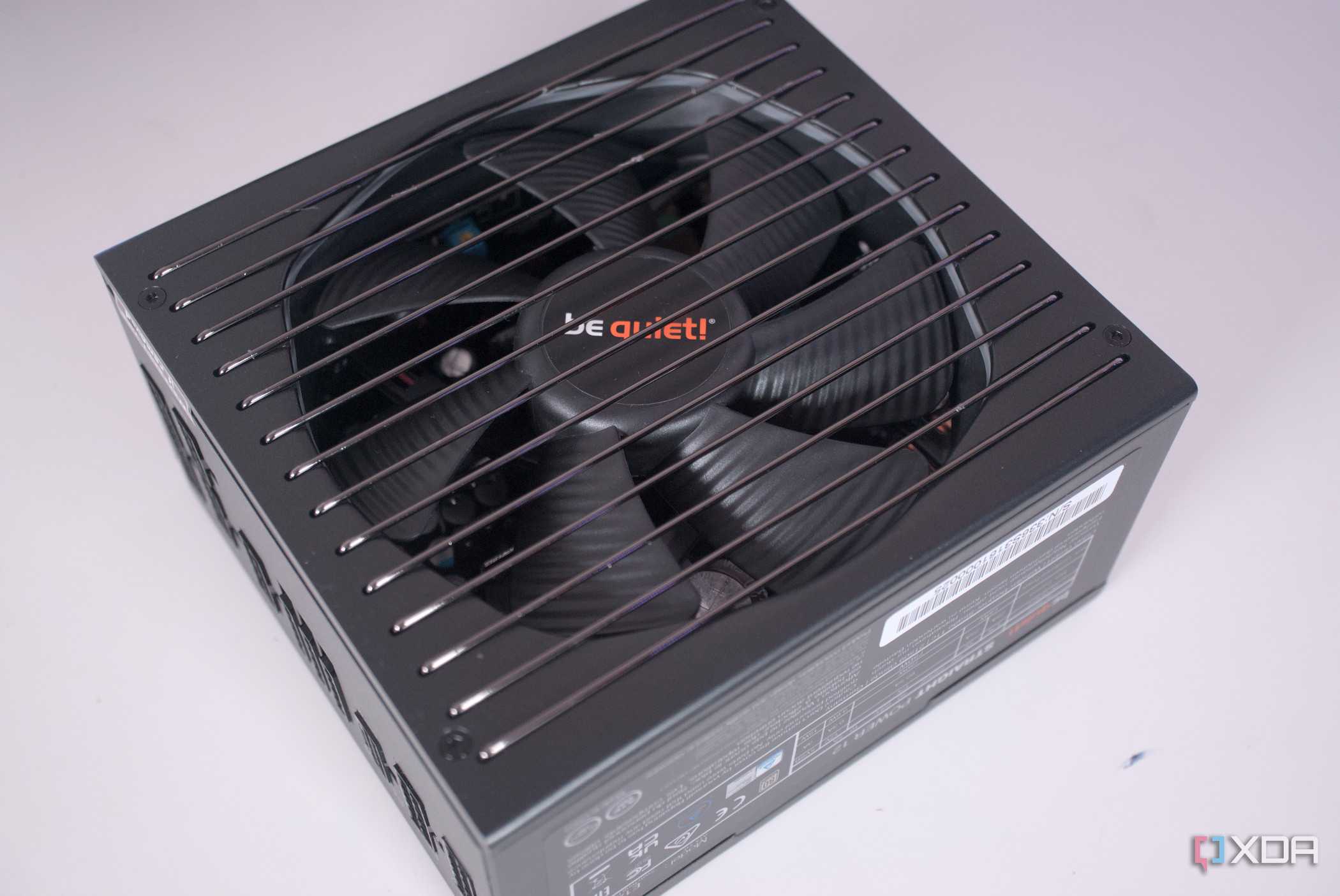

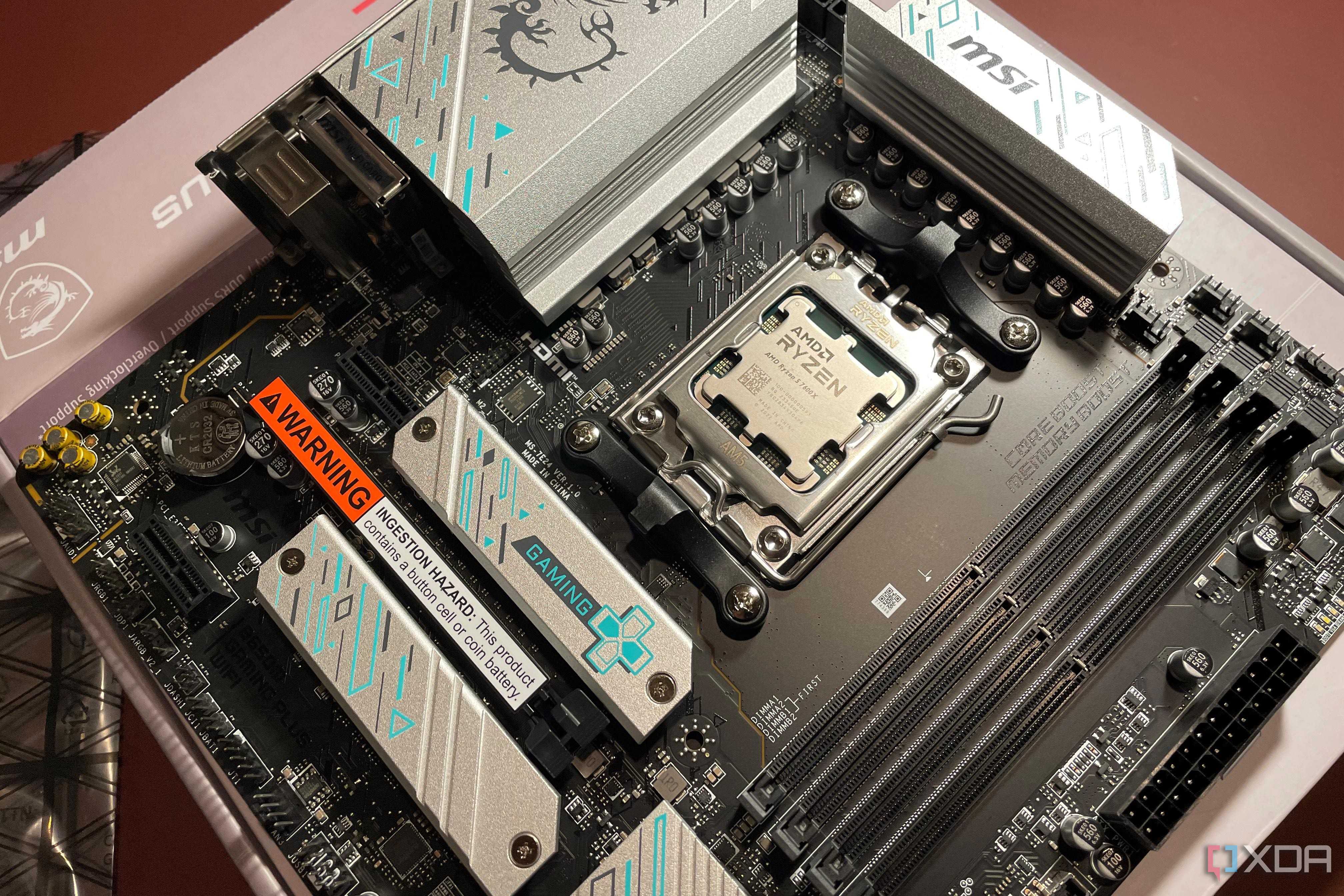


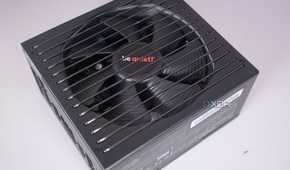

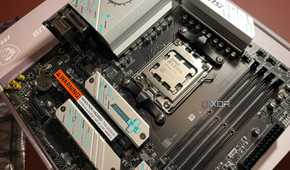
A habit that refuses to die among PC builders is pouring top dollar into the CPU and GPU combo, whilst cutting corners on the parts that keep the system alive and act as safety nets when things go wrong. This is an imbalance that looks harmless in the moment but often becomes the root cause of crashes, unpleasant user experience, and premature hardware death.
Under-rated or poor quality PSUs are among the most common failure points in custom builds, and when they fail, they can take a number of components down with them. Likewise, motherboards with weak VRMs and low-quality MOSFETs can struggle to feed your power-hungry CPU, run hotter than you'd expect, and even induce throttling under load, effectively acting as a prohibiting force against the components you hand-picked to deliver peak gaming experience.
Disqualifying themselves from upgrade options
Loyalty to custom builds can blind you to better value

Another quiet trap that PC gamers fall into during high price cycles is assuming custom builds always provide the best value. For the most part of the last decade, this was largely true. However, the DRAM shortage and its cascading effects may flip the equation in the year to come. With memory costs rising over 170% and individual components like SSDs and GPUs climbing steadily in parallel, many pre-built and OEM systems have quietly become a better deal.
Major OEMs bulk-purchase components at negotiated rates that consumers cannot match, allowing them to ship better-equipped rigs for prices far lower than the cost of parts taken together for a custom build. Yet, a large faction of the PC gaming community online vehemently disparages pre-built PCs outright, believing they are still poor value and corner-cutting machines of the 2010s. This tendency ends up limiting upgrade paths and inflating budgets unnecessarily.
The hard fact to digest, come 2026, is that pre-builts might make their comeback in the face of this unprecedented market shift, and gamers must keep an open mind to adapt to this new paradigm. So, naturally, the smartest builders this year won't be the ones who cling to tradition, but rather the ones willing to buy value wherever it happens to be.
Falling for the internet hype
Your build isn't Reddit's build

If you've spent enough time on Reddit, Discord build channels, or YouTube comment sections, you'll learn three things: your platform is outdated, your CPU is bottlenecking everything, and the only cure to the problem is a brand-new build for a generous price of $5,000. As someone who has lurked in these communities for years, I can confidently say that while they're fantastic for troubleshooting and discussion, the majority of the upgrade advice floating around is, generously put, questionable.
When you notice platforms like AM4 being written off as "ancient," perfectly capable CPUs being treated like fossils, and bottlenecks being exaggerated to the point of comedy with zero benchmark tests cited, you should question the credibility of the advice you're receiving at least a little. A big reason why this happens is that online enthusiasm tends to mirror the marketing hype, and at any given time, a loud minority of the user base can be found comfortably aboard the hype train.
Hardware launches are engineered to make the previous generation's silicon feel obsolete, even if the performance uplift barely justifies the sticker price. And because "your PC is already good" doesn't sell most reels or engagement on social platforms like YouTube, influencers often tend to amplify this effect.
The upgrade mindset needs a reboot
If there's one habit that PC gamers should break in 2026, it's the instinct to upgrade first and reflect later. The coming year may not be kind to the wallets of first-time builders or those eyeing a platform upgrade, but it does provide an opportunity for a reset where consumers question the hype, optimize before they buy, realize that there's more than one way to 'upgrade', and finally, invest where it truly makes a difference. The upgrade cycle should serve you, and not the other way around.
